
Artificial Intelligence
The Pope Just Told the World to "Disarm" AI. Here's What That Actually Means for Your Parish or Ministry.
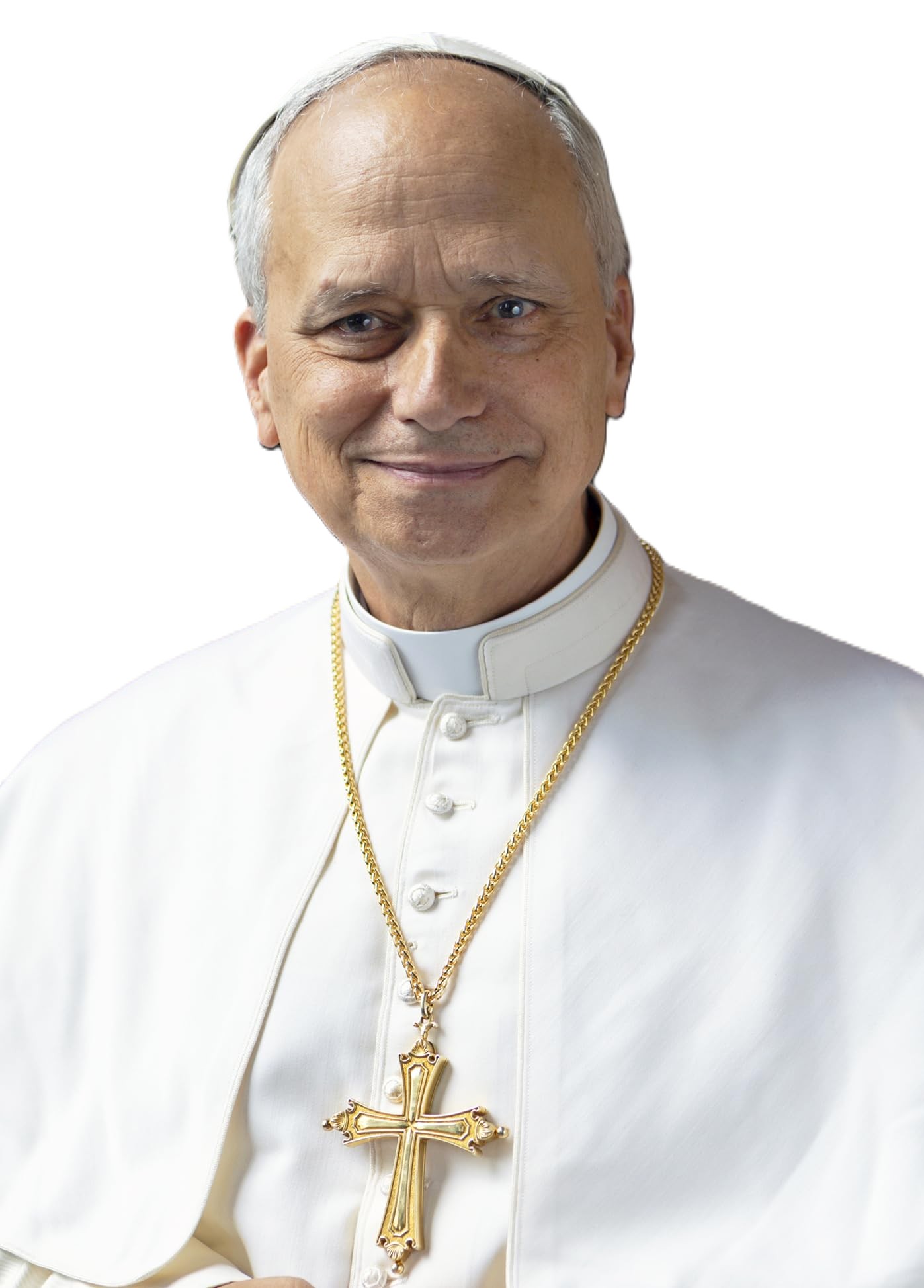
Most of what gets written about “the Pope and AI” treats it like a novelty story — old institution comments on new technology, cue the think pieces. I don’t think that’s what’s actually happening here, and I don’t think it’s optional reading for the seminaries, parishes, and religious communities we work with either.
Pope Leo XIV’s first major encyclical, Magnifica Humanitas, isn’t a tech review. Its core argument is that technology is never neutral, it takes on the character of whoever builds, funds, and deploys it. And his central call is that AI needs to be “disarmed” before it quietly erodes human relationships, critical thinking, and the dignity of the people using it, starting with the most vulnerable.
This isn’t just a message for Silicon Valley
Here’s why I think this actually lands differently for the organizations we serve than it does for a typical business. A seminary, a religious community, a parish office, these aren’t just workplaces. They’re formation environments, for the consecrated and for the lay staff who keep the lights on right alongside them. When a new technology shows up there, it isn’t just a productivity question. It’s a question about what kind of attention, trust, and judgment the place is forming in the people who pass through it.
That’s true whether you’re a seminarian being taught to think carefully, a parish administrator relying on a tool to draft communications, or a volunteer coordinator using software to track a ministry’s donor relationships. The encyclical’s concern that AI should empower people rather than replace their judgment and treat data as something held in trust rather than exploited isn’t abstract for any of them. It’s a description of exactly the systems we build for our religious and nonprofit clients every day.
What “disarming” AI actually looks like in practice
Nobody’s asking you to reject technology outright. The Pope explicitly says technology isn’t “inherently evil.” What it asks for is intentionality: AI and automation that serve people instead of quietly making decisions for them, that protect the vulnerable instead of exposing them, and that stay accountable to the humans responsible for a ministry rather than to whatever vendor happens to be selling the tool this year.
Practically, for the communities we work with, that means:
- Knowing exactly what data your parish or seminary’s systems actually collect, and who can see it.
- Not adopting an AI tool because it’s trendy, but because it solves a real problem someone can name.
- Making sure automation handles the repetitive, not the pastoral — the scheduling and the paperwork, not the judgment calls that belong to actual people.
Where we fit into this
This is exactly the kind of technology decision-making we already walk through with the seminaries, religious communities, and congregations we support — not selling you on AI, and not telling you to fear it, but helping you build systems that actually serve the people in your community instead of quietly reshaping them. If you want a second, honest opinion on whether a piece of technology you’re considering actually fits that standard, that’s precisely the conversation we have with faith-based organizations before any tool gets adopted.
Related posts
Embracing AI: How Atlanta Businesses Can Thrive
Artificial Intelligence (AI) is revolutionizing the business landscape, offering unprecedented opportunities for efficiency, innovation, and growth. As AI continues to evolve, it is crucial for businesses, especially those in tech-savvy cities like Atlanta, to stay ahead of the curve. This blog post explores the impact of AI on modern business and how the 404 Network Ninjas of Atlanta can help your company harness its potential.
Everyone Wants AI. Nobody Can Tell Me What Problem It Solves.
Client: "We need AI!" Me: "For what?" Client: "Everything!" Me: "But what specific prob—" Client: "RIGHT NOW!" That's not a bit I made up for this post.…